How Weather Warnings and Alerts Are Structured
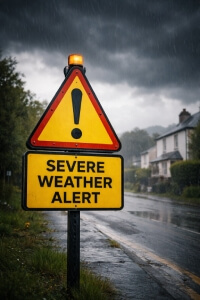
Residents typically encounter four categories of official messaging: advisories, watches, warnings, and seasonal alerts. Each carries a distinct purpose. The Met Office issues advisories when conditions may cause disruption but do not pose immediate danger. Watches signal that severe weather is possible within the next 24 to 48 hours, giving households time to prepare. Warnings indicate imminent or ongoing hazardous conditions requiring direct action.
Seasonal alerts operate differently. Rather than responding to a specific forecast, they reflect accumulated risk over weeks or months, such as flood risk during prolonged winter rainfall or heat-health alerts issued by the UK Health Security Agency during summer. These are designed for public health planners and local authorities as much as individual residents.
The distinction between forecast risk and immediate danger matters practically. A watch asks residents to monitor updates; a warning asks them to act. Conflating the two is a common source of under-preparation.
Seasonal Risks Residents Should Expect Throughout the Year
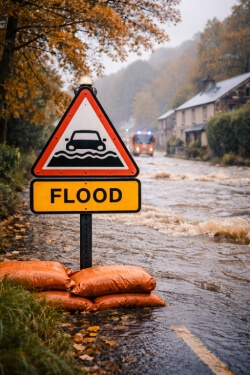
Extremely demanding alert periods come with autumn and winter. The rain that accompanies Atlantic storm systems sometimes becomes significant to them that it triggers numerous flood warnings. The flood alerts inconvenience the road network, railway services, and ordinary operations for properties lying lowland. The Met Office issues these as, more often than not, England, Scotland, and Wales adapt Amber and Red for households.
Now, we have another category that demands special attention - cold spells. Ice and single-snow warnings impose a curriculum in such cities that engulf school closures; just when gritting schedules and home care service providers ask how to deliver services to the vulnerable, right down to every step of the way. One night of freezing weather or even a single-day freeze renders ground conditions increasingly dangerous long before the services can pull themselves together formally.
Heatwave-health alerts are forwarded eventually to England and Wales by the heath protection organizations (HPA, p. The alerts are for service providers and healthcare, rather than the general public alone; service providers and healthcare systems, however, most heavily considered in this respect. Above 30°C, utilities are overstretched under lasting heat, whereas extreme risks are inherent to old-age people.
Prepared Residents Respond Faster and More Safely
The first course of action upon receipt is to verify that information comes from a reputable source: the Met Office, Environment Agency, or the local authority. Misinformation spreads quickly during severe weather events; acting on a social media post may cause disproportionate or misdirected response.
Location specifics matter as much as the local alert itself. For example, a Yellow Wind Warning for some parts of the South West could mean potentially downed branches on rural Devon roads yet rail disruptions in Bristol. Knowledge of specific vulnerabilities in your area shapes how you should act.
Most of the time, emergency planners ask for "proportionate action." Do what's in your power to: secure loose garden furniture, tone down any non-essential travel, check on your isolated/elderly neighbours, and even expect possible disruption to services such as power, transport, etc.
The prepared public responds to these alerts on account of the danger they represent, whilst the unprepared one continues acting mostly as if nothing had happened. All those notices serve to try and keep damage at a minimum, immediately after all. Data Trend was suggested to followers. That was a balanced policy, whereby user-controlled media growth would have protected the gist as a path of little chance, while developing commemorative grounds was a significant mystery for celerity action to a danger as it transversed a watershed if HIT 46 would ever come.
Quick Links
Community Partner

The disruption set for Southeastern trains this week with closures and changes https://t.co/EJ6nAOdj7k pic.twitter.com/E2EdsbJjJD
— News Shopper (@NewsShopper) December 15, 2025